2025 Legislative Session in Review
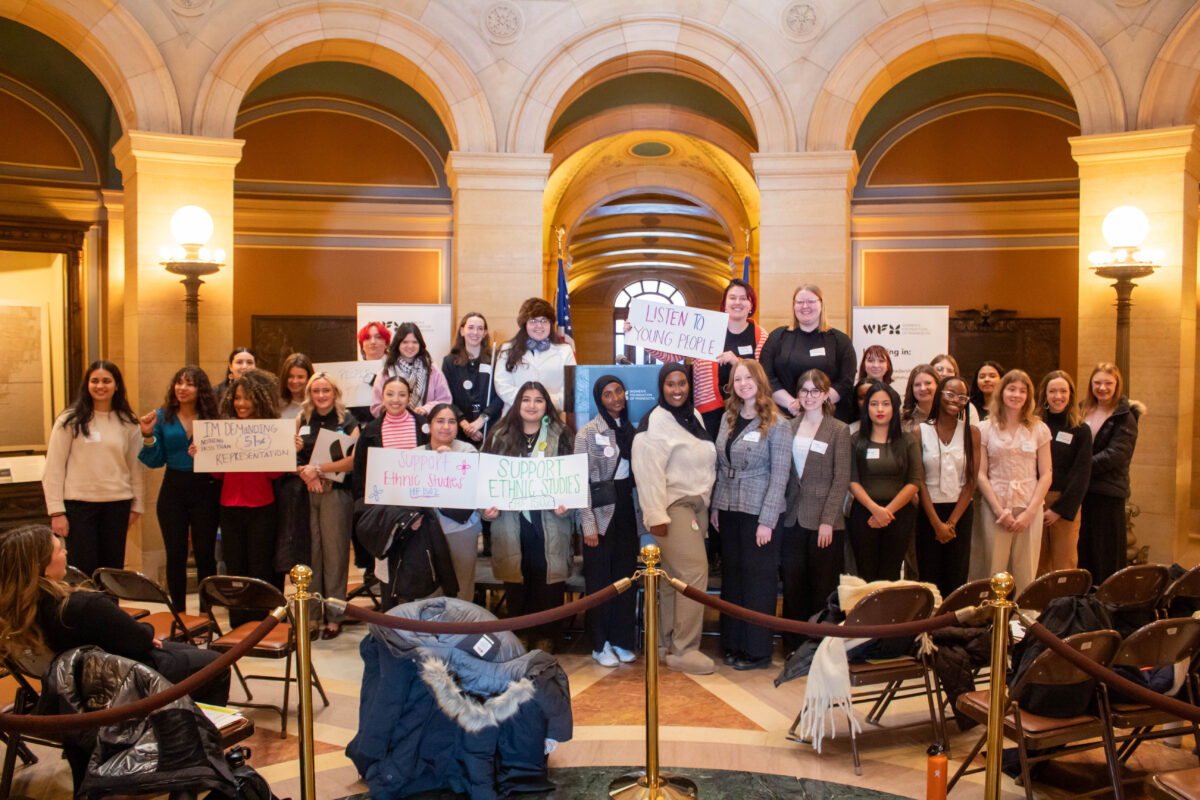
A contentious legislative session wrapped up in a one-day special session on June 9, when a $66 billion two-year budget was passed.
Soon after, the horrific attacks against our lawmakers that killed Rep. Melissa Hortman and her husband, Mark, and wounded Sen. John Hoffman and his wife, Yvette, left an irreparable mark on life at the Capitol. Rep. Hortman was a champion for gender and racial equity and a co-author on many bills from our past policy agendas, including the PRO Act, Paid Family & Medical Leave, and she signed onto the ERA bill this year. Like us, she deeply believed in the boundless potential of young people; that their voices not only matter but are essential to shaping a more just and compassionate world through advocacy and policy.
We join Minnesotans in grieving the loss of Melissa and Mark and wishing for the continued recovery of Senator Hoffman and Yvette. The Women’s Foundation remains steadfast in our commitment to stand up, speak out, and continue building a better and more equitable Minnesota.
Progress this Session
In all, this session, 15 bills were signed into law and fund state government. Key legislation that passed from our policy agenda includes:
- Full no-cost coverage for vasectomies
- Maternal and child health advisory task force
- Some funding for crime victim’s services
These laws will increase health access, equity, and services for Minnesotans who need them most. Our policy agenda included multiple bills to expand access to contraception with broader

insurance coverage. Of the many health plan bills proposed, only five were heard in the Senate and only one passed — the vasectomies bill. In other areas, many more items we advocated for were not passed, including strengthening food security for seniors, improving maternal mental health, expanding insurance coverage for contraception, and the collaborative care model, which would have aligned mental health care with primary care for easier access and communication between physicians. Grantee-partner organizations and coalition partners have also been affected by federal and state funding cuts, decreased support from corporations and foundations, uncertainty, and a climate of fear. After lengthy debate, adult undocumented immigrants were removed from MinnesotaCare, the state’s health insurance program for the working poor.
Education & Engagement
We know that gender and racial inequities persist, and our grantee-partners continue leading to keep Minnesotans healthy, safe, and well. Facing a divided session, WFM focused our efforts on education, community building, and raising awareness about the data and lived realities of women, girls, and communities in Minnesota. During the session, we were at the Capitol every day, testifying and supporting partners to amplify the voices of communities most impacted by disparities. To support public engagement in the issues affecting our lives and the communities we care about, WFM shared research and education about the issues, and created an Advocate Toolkit for supporters to reach elected officials and amplify our policy agenda on social media.
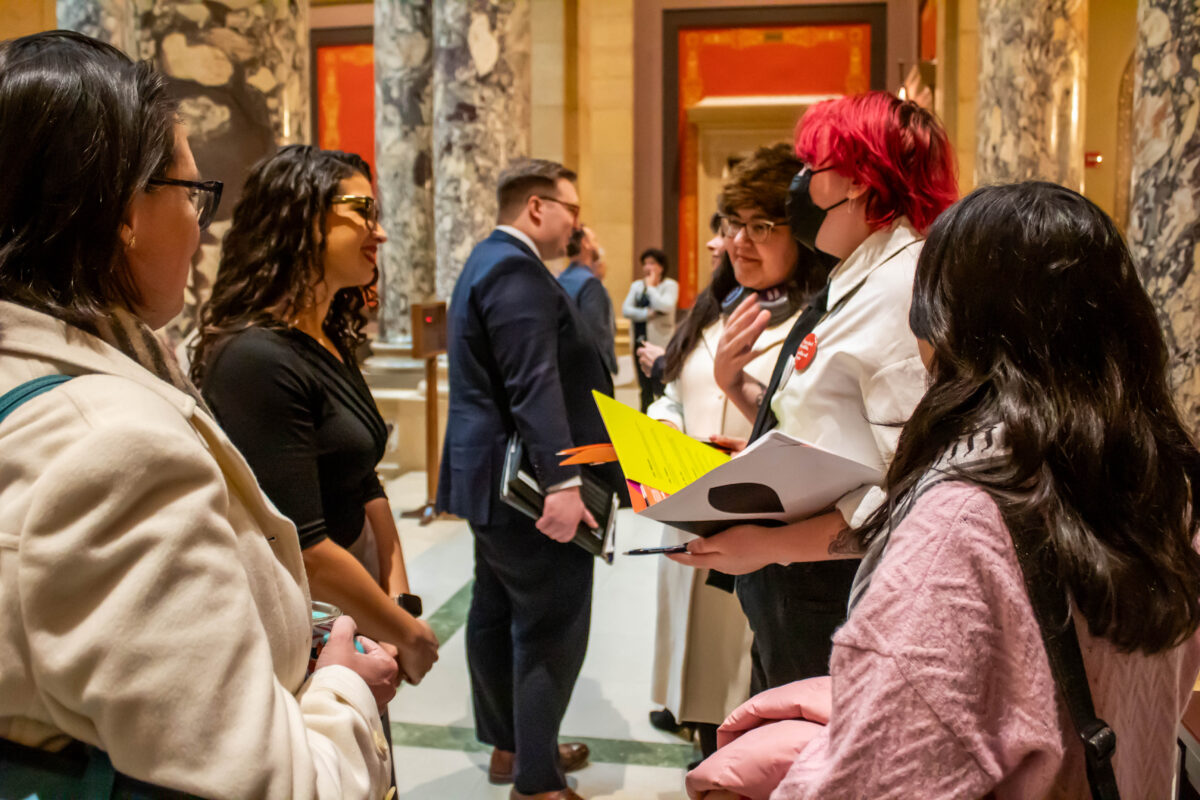
In February, we celebrated community power with an energizing Day at the Capitol in the Rotunda, led by our Young Women’s Cabinet to advocate for policies and funding that will bring us closer to gender and racial justice in Minnesota. Young leaders from our Statewide Cabinet, Mankato Cabinet, Innovators, supporters, and elected officials are using their voices to shape policies and build the feminist future we all want to see.
Defending Against Attacks
Protecting the progress of the legislation we support requires ongoing vigilance. This session showed us that investing in advocacy means ensuring that hard-won victories are not weakened or repealed. Progress is not linear, and the fight for justice is long.
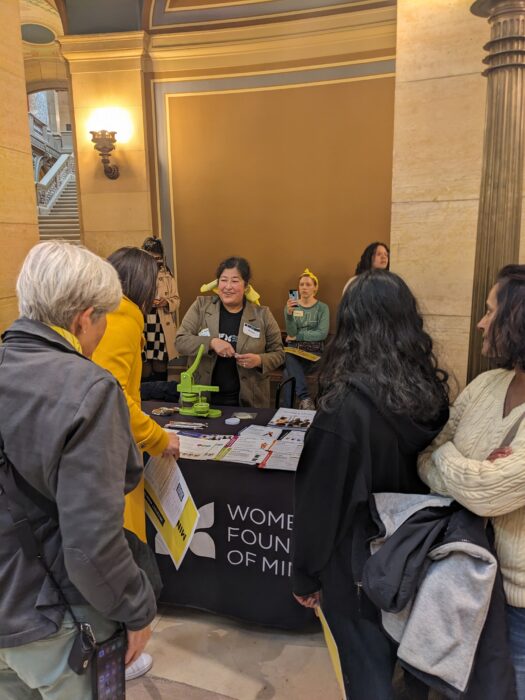
Several harmful bills that we actively opposed this session did not move forward, which is a testament to the power of collective advocacy and public engagement. Among these were proposals aimed at delaying or diminishing the benefits of paid leave, repealing health education standards for students, and efforts to cut funding for sexual and reproductive health services, particularly a bill that attempted to redirect those resources to fake clinics, so-called “crisis pregnancy centers.” We came together with powerful coalitions for public safety, Minnesota Equal Rights Amendment, and UnRestrict Minnesota‘s Reproductive Freedom Lobby Day, and we attended rallies to raise our voices against discrimination for our trans neighbors.
Equity in Partnership
We want to thank all our supporters for lending your voice this session. Your presence at the rallies for the ERA, your phone calls in support of SNAP, your letters advocating for paid leave, and your courage in speaking up for survivors of crime and for reproductive health access — all of it matters. The work continues, and it takes all of us, working together. There is more to accomplish in sessions ahead.
In the meantime, we will continue to share our research and show up with and for communities to make progress for Minnesota women, girls, and gender-expansive people.