Youth Voices for Change: YWI Cabinet’s Agenda for Health Equity
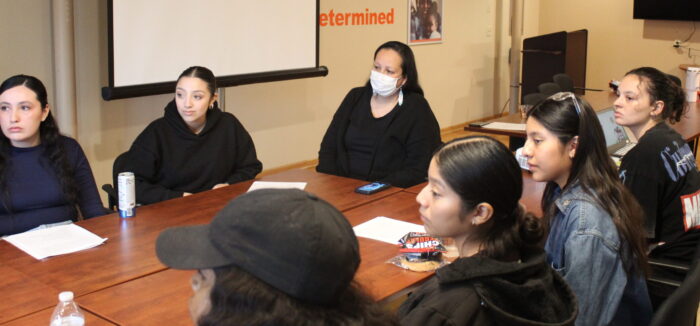
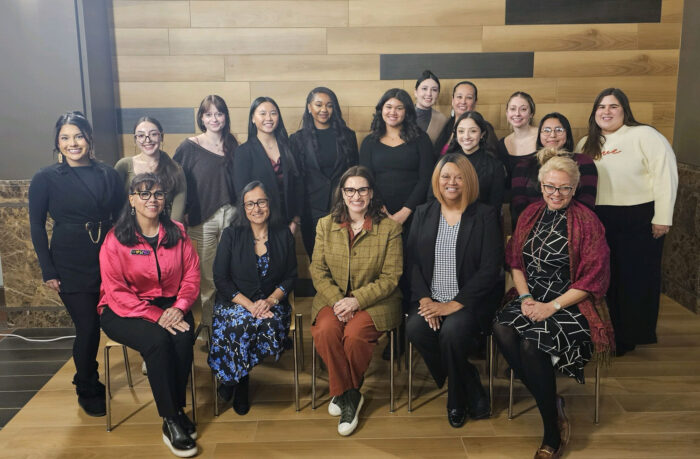
WFM’s investment in building power and leadership with young people shows in the Young Women’s Initiative’s Statewide and Mankato Cabinets. With YWCA St. Paul and YWCA Mankato, we convene young people so they have the tools to advocate for issues that affect their lives. The policies on our agenda impact young people the longest and the most, from the Equal Rights Amendment, paid leave, safety services, education funding, and Safe Harbor.
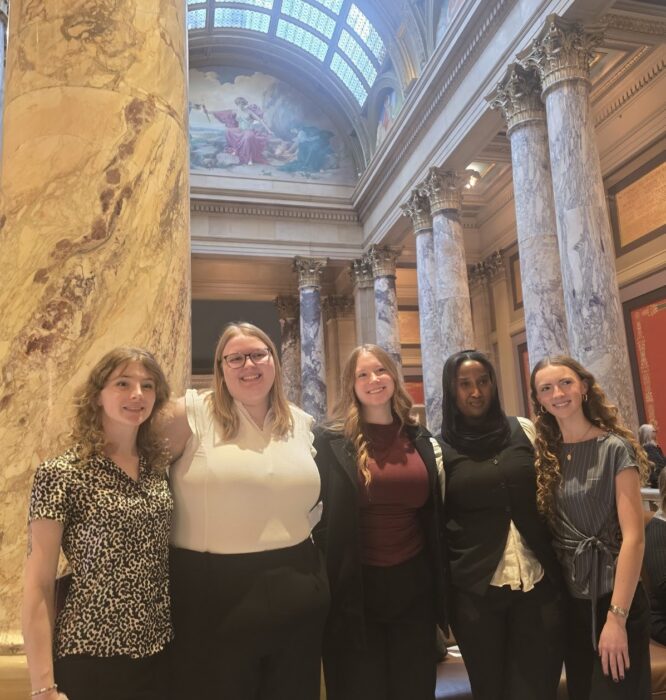
Meeting with lawmakers at the Capitol and submitting written testimony, Cabinet members are learning that long-term systems change takes time, but relationships matter. Most importantly, they are developing their leadership as advocates whose passion for equity and justice will help change Minnesota for the better.
This session, the Statewide Cabinet’s policy agenda focuses on opportunities in education, safety, health equity, and housing. The Mankato Cabinet’s agenda emphasizes housing, childcare, and healthcare, including mental health as targeted investments to increase access to care and pathways to economic mobility. The focus on these issues highlights what is top of mind for young people in Minnesota, and with good reason. YWI members are directly dealing with the effects of the long-term systemic inequalities that plague these issues.
The Roots of Health Inequity
Examining just one item on their agenda uncovers this reality. In health equity, their agenda seeks to:
Remove systemic barriers to reproductive and general healthcare: Eliminate systemic obstacles that prevent women and gender-diverse Minnesotans from getting the care they need. This simple statement encompasses a myriad of intersecting and historical problems in healthcare access.
Some of the policies they are supporting to remove these barriers this session include health plan coverage for:
- Cervical cancer screening tests
- Doula services
- Infertility treatment and standard fertility preservation services
- Intrauterine device removals
- PAP tests and subsequent diagnostic services
- and establishing a Minnesota Health Plan
When modern healthcare first began to take root, the standards used were male. Even through the 1990s, clinical trials were dominated by male patients. Women’s bodies were assumed to be so similar, apart from reproduction, that they did not require specialized study. Additionally, women’s health issues were often overlooked, dismissed as emotional in nature, or received different and less effective care.
It’s important to remember that the gendered assumptions about women’s bodies and credibility are not relics of the past, but continue to shape how women’s pain, symptoms, and healthcare needs are perceived and treated today. A Time article reminds us, “The historical—and hysterical—idea that women’s excessive emotions have profound influences on their bodies, and vice versa, is impressed like a photographic negative beneath today’s image of the attention-seeking, hypochondriac female patient. Prevailing social stereotypes about the way women experience, express, and tolerate pain are not modern phenomena—they have been ingrained across medicine’s history.”
A 2019 article by Duke Health stated, “Studies show that women’s perceptions of gender bias are correct. Compared with male patients, women who present with the same condition may not receive the same evidence-based care. In several key areas, such as cardiac care and pain management, women may get different treatment, leading to poorer outcomes.”
Women activists have always been the ones to sound the alarm about these disparities throughout history. In 1893, women nurses connected poverty and sickness, and the first health insurance bill was drafted by women activists in the early 1900s. In the 60s and 70s, women fought for bodily autonomy and reproductive freedoms while groups led by Black women created and advocated for a Patients’ Bill of Rights. In 2010, the Coalition of Labor Union Women brought to light reports that 80 percent of private policies excluded maternal care coverage and charged women higher premiums than men.
Lived Experiences Inform Policy Change
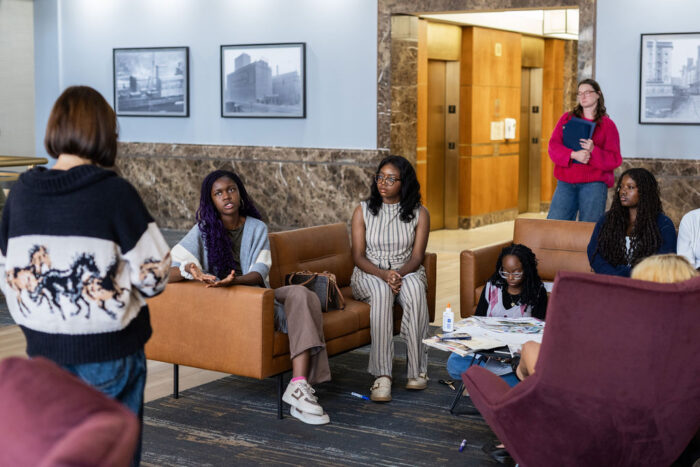
Unraveling these issues requires long campaigns for change. The Young Women’s Cabinet are the next generation advocating for health care reform and other issues with deep historical disparities, using their voices rooted in their unique lived experiences. They highlight further layers of issues within rural, diverse, young and gender-expansive people. They are the ones who will continue the path of advocacy started decades ago and carry it forward. Minnesota needs their valuable perspectives to shape the advocacy of these long-standing, complex policies.
Our 2026 Status of Women & Girls report shows that women have power in their ability to turn out the vote. On average, girls have higher levels of participation in student government and other leadership activities than their male peers. In the data, there is variation by race and ethnicity, but the Young Women’s Initiative of Minnesota is dedicated to knocking down barriers so that young people from all communities have pathways to advocate and change systems for the better. Another fun fact from the Status report, women legislators out-perform men.
At the federal level, congresswomen secure about 9% more federal outlay money than congressmen, and introduce more legislation related to women’s rights, children, and families. Women of color bring community perspectives with them. When congresswomen are in the minority party, they continue to build coalitions, leading to greater legislative success. These facts are our legacy and why we are dedicated to ensuring that voting and running for office builds community power and fundamentally changes the structures and policies of our governments.
When you’re considering the issues, look for the perspectives of young people. Include them at your decision-making tables. And follow the Young Women’s Cabinet – what they are doing, and where they are going. Young people are leading today –consider how you can invest in their leadership for greater equity.